
🦷 Why Dental Health Matters for Maine Coons
What Every Maine Coon Owner Should Know About Teeth, Gums & Preventive Care
Your Maine Coon will happily use those impressive teeth to… Destroy a cardboard box. Carry a favorite toy around the house. Attempt to open a treat bag that was definitely supposed to be out of reach. And occasionally remind you that brushing a giant fluffy belly was not authorized by management. 😂 But when was the last time you actually looked at those teeth?
Dental health can be easy to overlook in cats because many oral problems develop gradually, and cats may continue eating and behaving relatively normally even when something in their mouth is uncomfortable. That's why dental care shouldn't begin only when a cat stops eating or develops terrible breath.
It should be part of routine health care throughout your Maine Coon's life. So let's talk about what's happening inside that magnificent Maine Coon mouth. 🐾
🦷 What Does a Healthy Cat Mouth Look Like?
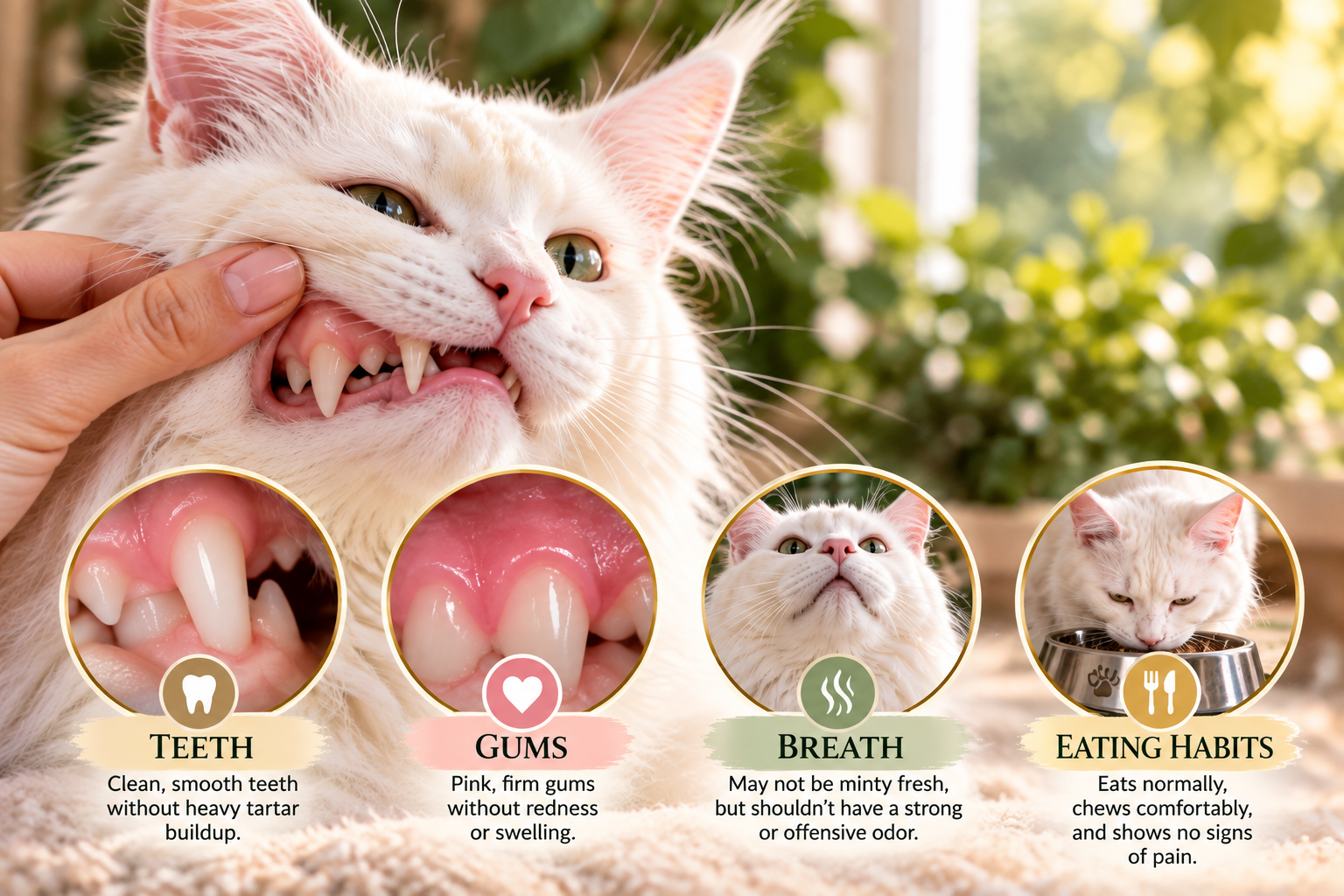
You don't need to become a feline dentist to occasionally take a look at your Maine Coon's mouth. A healthy mouth generally shouldn't have obvious inflammation, bleeding, broken teeth or heavy accumulations of tartar.
Things worth paying attention to include the:
🦷 Teeth
🩷 Gums
👃 Breath
👅 Tongue and surrounding tissues
🍗 Way your cat eats and chews
Knowing what is normal for your individual cat can make changes easier to recognize. And that's important because sometimes the first clue isn't what you see. It's what you smell.
😷 “Cat Breath” Isn't Always Just Cat Breath
Nobody expects a cat's breath to smell like peppermint toothpaste. But persistent, strong or unusually foul breath shouldn't automatically be dismissed as normal. Bad breath can accompany dental and oral disease, particularly when bacteria, plaque, tartar or inflamed tissues are involved.
If your Maine Coon suddenly develops noticeably worse breath—or the odor is accompanied by other changes—it's worth mentioning to your veterinarian.
In other words: There's “I just ate cat food” breath… …and then there's “Okay, we need someone to look in your mouth” breath. 😂
🦠 It Often Starts With Plaque
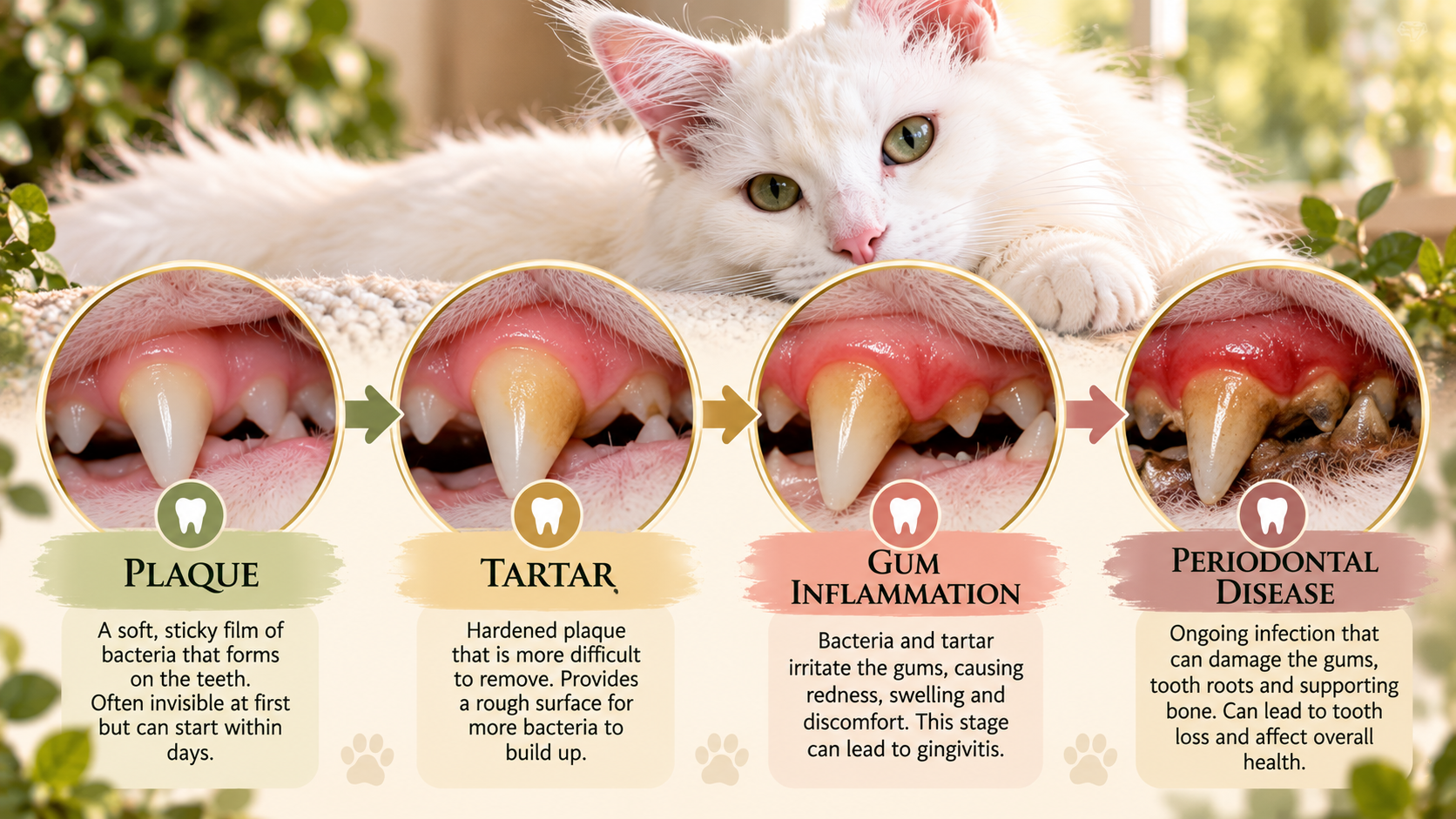
After your Maine Coon eats, a bacterial film called plaque can develop on the teeth. If plaque isn't removed, minerals in saliva can contribute to its hardening into tartar (calculus). Once tartar is firmly attached to the tooth, it generally isn't something you're going to safely brush away at home.
Bacteria and inflammation around the gumline can contribute to periodontal disease. Over time, disease can affect the tissues supporting the teeth. This is one reason dental care isn't simply about keeping teeth looking white. It's about maintaining a healthy mouth.
🩷 What Is Gingivitis?
Gingivitis means inflammation of the gums. You may notice redness or swelling, particularly around the gumline. Some cats may also have bleeding or increased sensitivity.
Gingivitis can have different causes and severity, so visible inflammation deserves veterinary evaluation rather than assuming it's simply a little plaque. Your veterinarian can determine what's happening and whether additional dental care is needed.
🦷 What Is Periodontal Disease?
Periodontal disease involves the tissues that surround and support the teeth. As disease progresses, inflammation and infection can extend deeper beneath the gumline. And here's something important: You cannot evaluate everything happening underneath the gums just by looking at the visible portion of a tooth.
A tooth can look relatively unremarkable above the gumline while problems exist below it. That's one reason a complete veterinary dental assessment can involve much more than simply looking inside your cat's mouth while they're awake.
😿 Cats Can Be Very Good at Hiding Oral Discomfort

This is one of the most important things for owners to understand. A cat with dental pain doesn't necessarily stop eating. Cats may adapt. They may chew differently. Favor one side. Swallow kibble with less chewing. Prefer softer food. Eat more slowly. Drop food. Approach the bowl and then hesitate.
Or show changes so subtle that they're easy to miss. Some cats continue eating despite significant oral disease. So: “But they're still eating” doesn't necessarily mean “their mouth doesn't hurt.”
👀 Signs That Deserve Attention
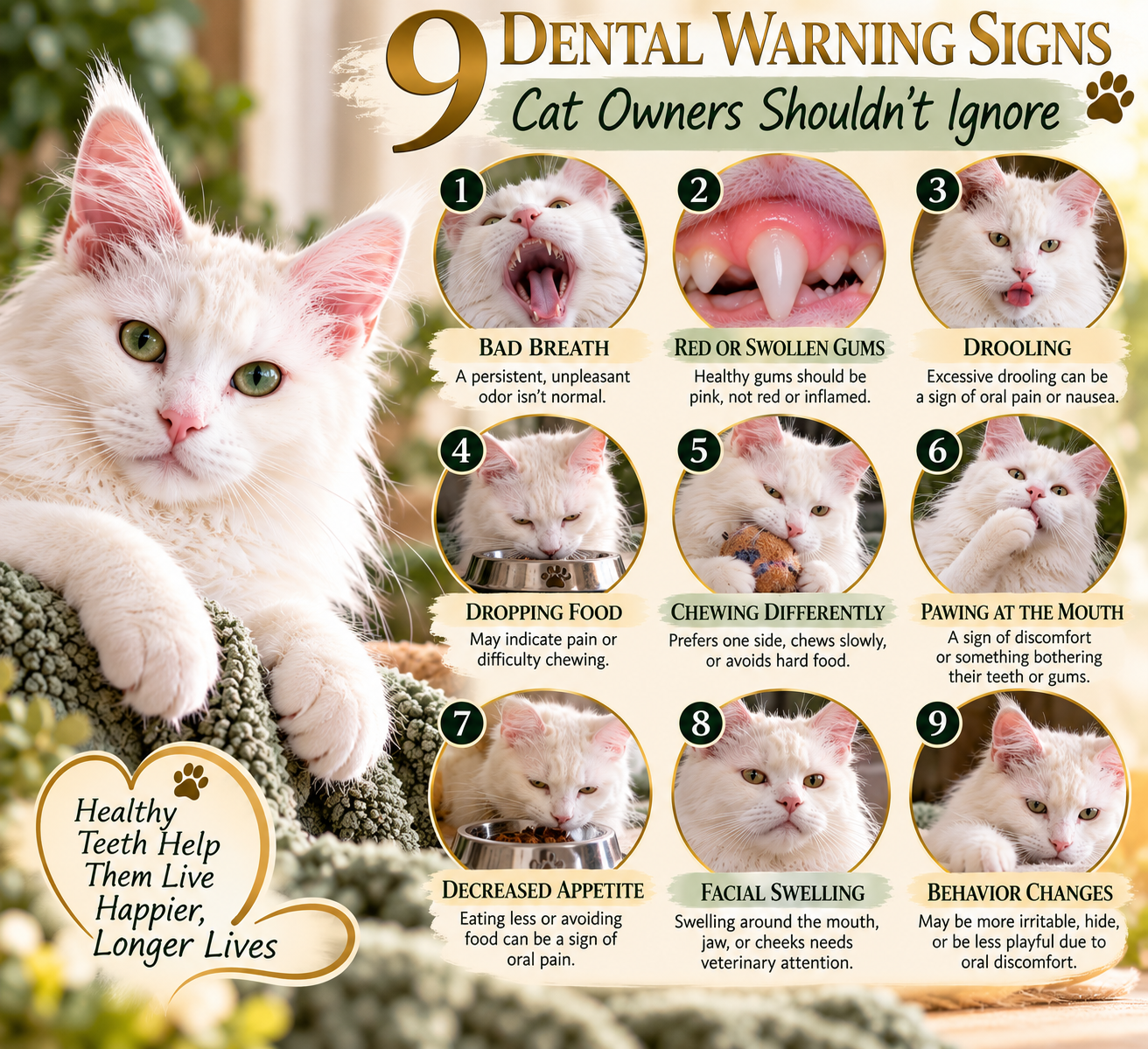
Dental problems can look different from cat to cat, but changes worth discussing with your veterinarian can include:
Persistent or worsening bad breath
Red, swollen or bleeding gums
Visible tartar buildup
Drooling, especially if new or excessive
Pawing at the mouth
Dropping food while eating
Difficulty chewing
Suddenly preferring softer foods
Eating on one side of the mouth
Decreased appetite
Reluctance to have the face or mouth touched
Broken, loose or discolored teeth
Facial swelling
A noticeable change in normal eating or grooming behavior
One isolated behavior doesn't automatically tell us what is wrong. But changes from your cat's normal behavior matter.
🦷 Cats Can Develop Tooth Resorption
Here's a dental condition every cat owner should know about. Tooth resorption occurs when the structure of a tooth begins to break down. It is common in cats and can be painful. Some lesions may be visible around the gumline, but others aren't obvious without a thorough veterinary dental examination and dental X-rays.
The exact cause isn't completely understood. And this is another reason routine veterinary dental care matters even when your Maine Coon's teeth look pretty good from the outside. Sometimes the important problem is the one you can't see.
📸 Why Dental X-Rays Matter
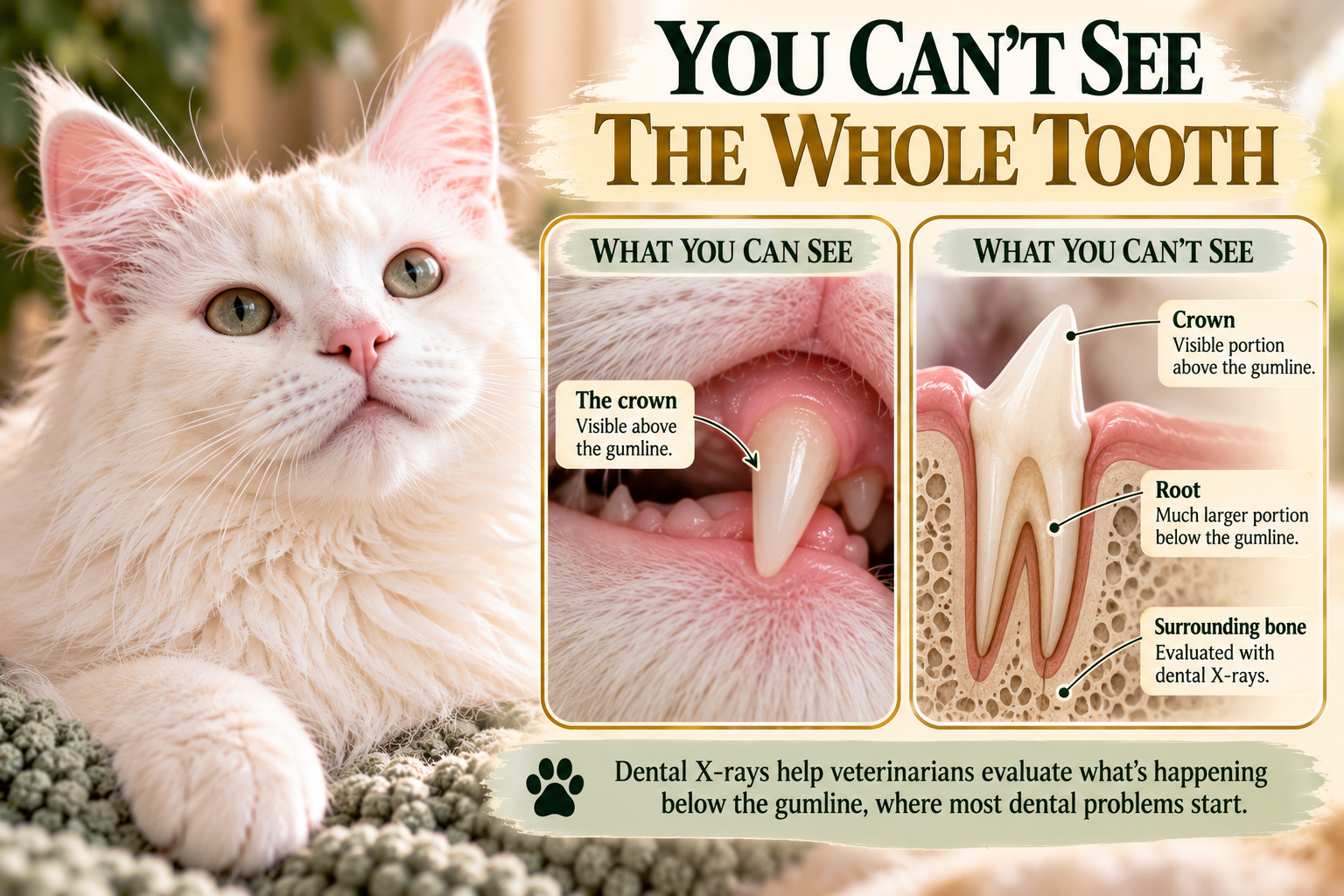
Think about how much of a tooth you actually see. Only part of it. The roots and surrounding structures are below the gumline. Dental radiographs allow veterinarians to evaluate areas that aren't visible during a simple oral examination. They can help identify problems involving tooth roots, bone and resorptive lesions.
That's why a veterinary dental procedure can be considerably more involved than: “Scrape the tartar off and make the teeth pretty again.” The goal isn't cosmetic. It's medical.
🩺 What Happens During a Professional Veterinary Dental Cleaning?
The exact procedure depends on the cat and veterinary practice, but a comprehensive dental procedure may include: A full oral examination. Cleaning above and below the gumline. Polishing. Dental radiographs. Evaluation of individual teeth. And treatment or extraction of diseased teeth when necessary.
For a complete dental cleaning and examination, cats are typically placed under general anesthesia, which allows the veterinary team to properly examine and treat areas that cannot be safely addressed in an awake cat.
Your veterinarian can discuss anesthesia, pre-anesthetic evaluation and your individual cat's risks and needs.
🪥 Can You Brush a Maine Coon's Teeth?
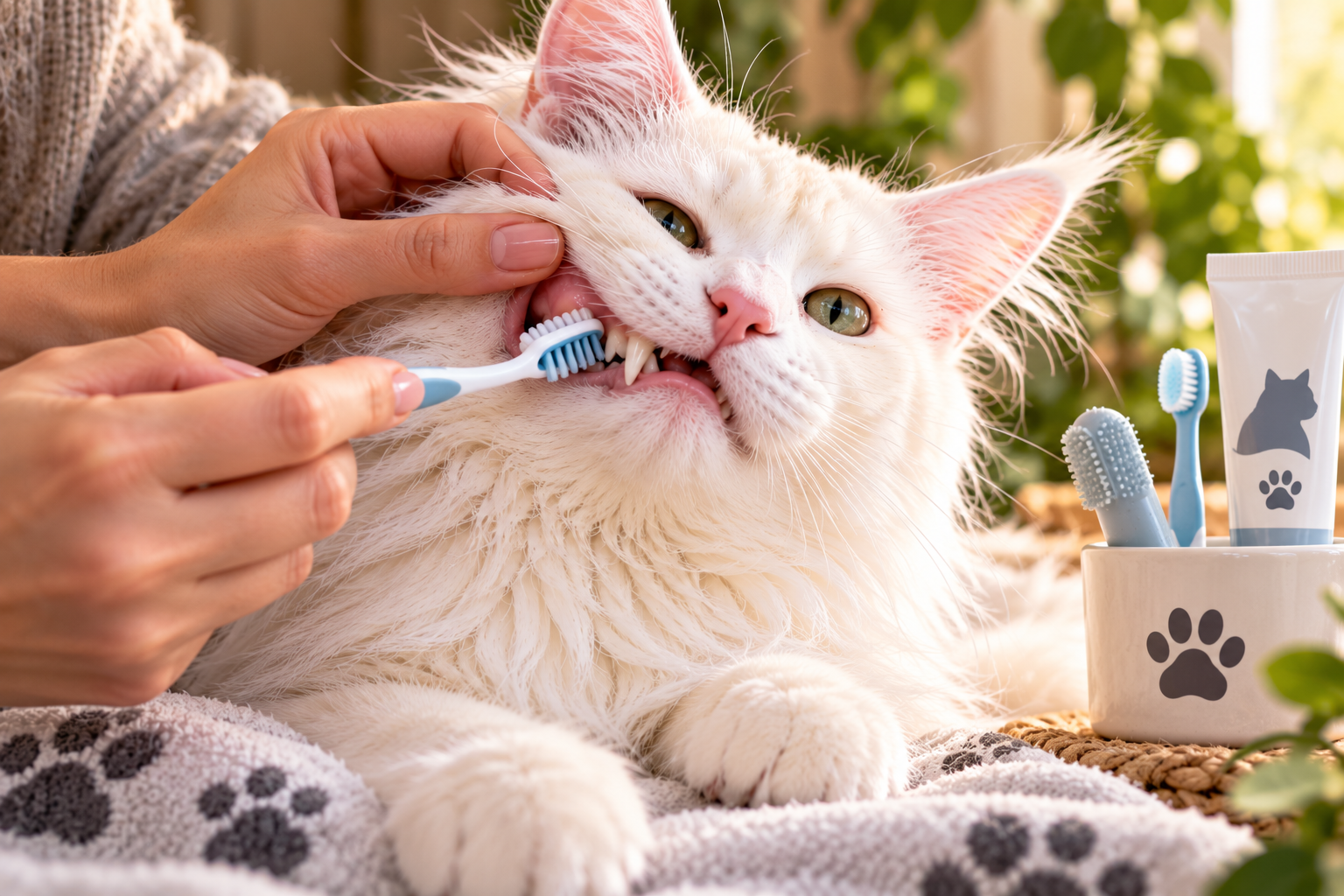
Yes—if your cat will tolerate it, tooth brushing can be an excellent form of home dental care. But here's the trick: Don't introduce a toothbrush like you're preparing for battle. 😂 Start slowly. Let your Maine Coon become comfortable with having their face touched. Then their lips lifted. Then brief contact around the mouth.
Eventually, you can introduce an appropriate toothbrush or other veterinary-recommended dental product. Positive reinforcement can help make the process much less dramatic. And starting when they're young can make dental handling feel like a normal part of life.
🚫 Please Don't Use Human Toothpaste
Human toothpaste is not intended for cats and may contain ingredients that shouldn't be swallowed by pets. Cats don't rinse and spit after brushing. They swallow what's in their mouths. Use products specifically intended for cats and follow your veterinarian's recommendations.
Your Maine Coon does not need minty-fresh human toothpaste. They also probably don't want it. 😂
🐾 This Is Why Handling Practice Matters
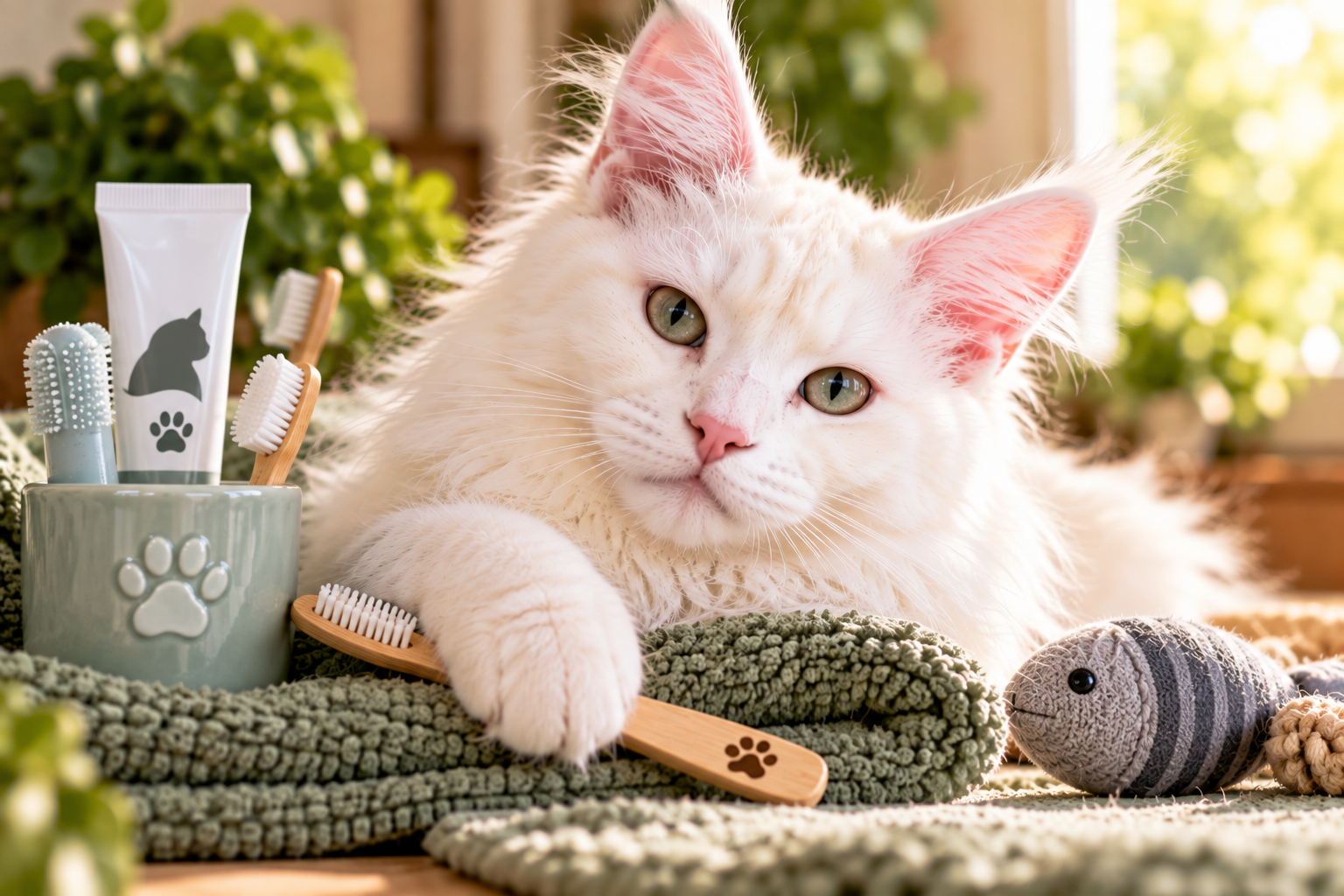
At A Velvet Claw, we talk frequently about getting kittens comfortable with routine handling. Dental care is a perfect example of why.
A kitten who gradually learns that people may safely:
Touch their face.
Lift their lips.
Look at their teeth.
Touch their paws.
Examine their ears.
Brush their coat.
…may be easier to examine and care for later. That doesn't mean every adult Maine Coon will happily open their mouth and say: “Certainly. Please inspect my molars.” Let's remain realistic. 😂 But positive early experiences can help.
🦴 What About Dental Treats, Diets & Water Additives?
You'll find a huge number of products marketed for feline dental health. Dental diets. Treats. Chews. Gels. Water additives. Wipes. Powders. And probably something somewhere promising your cat will have movie-star teeth by Tuesday. Not every product has the same evidence behind it.
If you're choosing a dental product, ask your veterinarian what is appropriate for your cat. Products accepted by the Veterinary Oral Health Council (VOHC) can also be a useful place to look for products that have met its standards for controlling plaque and/or tartar.
And remember: A dental product doesn't replace veterinary examinations. Think of home care and professional veterinary care as working together.
🍖 Does Dry Food Automatically Clean a Cat's Teeth?
This is a common belief. Regular dry kibble should not automatically be treated as a toothbrush. Some specially formulated veterinary dental diets are designed to help reduce plaque or tartar through particular kibble structure or formulation.
That's different from assuming any crunchy food cleans teeth simply because it's crunchy. So if dental health is your goal, talk with your veterinarian about options with evidence behind them.
🧬 Is Dental Health Genetic?
Genetics can influence aspects of health, anatomy and disease susceptibility, but dental health is complicated. Environment, age, individual biology, home care, diet, oral anatomy and other factors can all play roles. That means we should avoid overly simple claims such as: “Good genetics = perfect teeth.”
Responsible breeding can prioritize overall health, but no breeder can guarantee that a kitten will never develop dental disease.
This follows one of our favorite principles: Genetics influence risk. They don't write guarantees.
🐱 Are Maine Coons More Likely to Have Dental Problems?
It's tempting to assume every health topic involving Maine Coons must be uniquely associated with the breed. That's not always the case. Many important feline dental conditions affect cats across breeds and mixed-breed populations.
So rather than assuming: “Maine Coons have bad teeth,” a better message is: Maine Coons need good dental care because they're cats—and dental health is an important part of feline health.
Breed-specific research continues to evolve, but every Maine Coon deserves routine oral evaluation regardless of pedigree.
📅 How Often Should My Maine Coon Have Their Teeth Checked?
There isn't one dental-cleaning schedule that fits every cat. Some cats develop dental disease earlier or more rapidly than others. Your veterinarian can examine your Maine Coon's mouth during routine wellness visits and recommend dental care based on what they find. Age, previous dental disease, home care and individual risk can all influence recommendations.
So instead of waiting for: “Their teeth look terrible.” Make the mouth part of routine preventive care.
🔎 Become a Maine Coon Dental Detective

Every once in a while, pay attention to the little things.
Ask yourself:
How does their breath smell compared with normal?
Are the gums looking red?
Has eating changed?
Are they dropping food?
Are they chewing differently?
Do they suddenly dislike having their face touched?
Has grooming changed?
You aren't trying to diagnose dental disease at home. You're learning your cat's normal. Because when something changes… You're more likely to notice.
❤️ Dental Health Is About More Than Teeth
A healthy mouth contributes to comfort and quality of life. Cats use their mouths constantly. To eat. Groom. Play. Carry things. Explore. Communicate. And occasionally attempt to remove the cap from something they absolutely should not be touching.
Dental care isn't about achieving a perfect white smile for Instagram. It's about helping your Maine Coon maintain a comfortable, functional mouth.
🖤 The Bottom Line
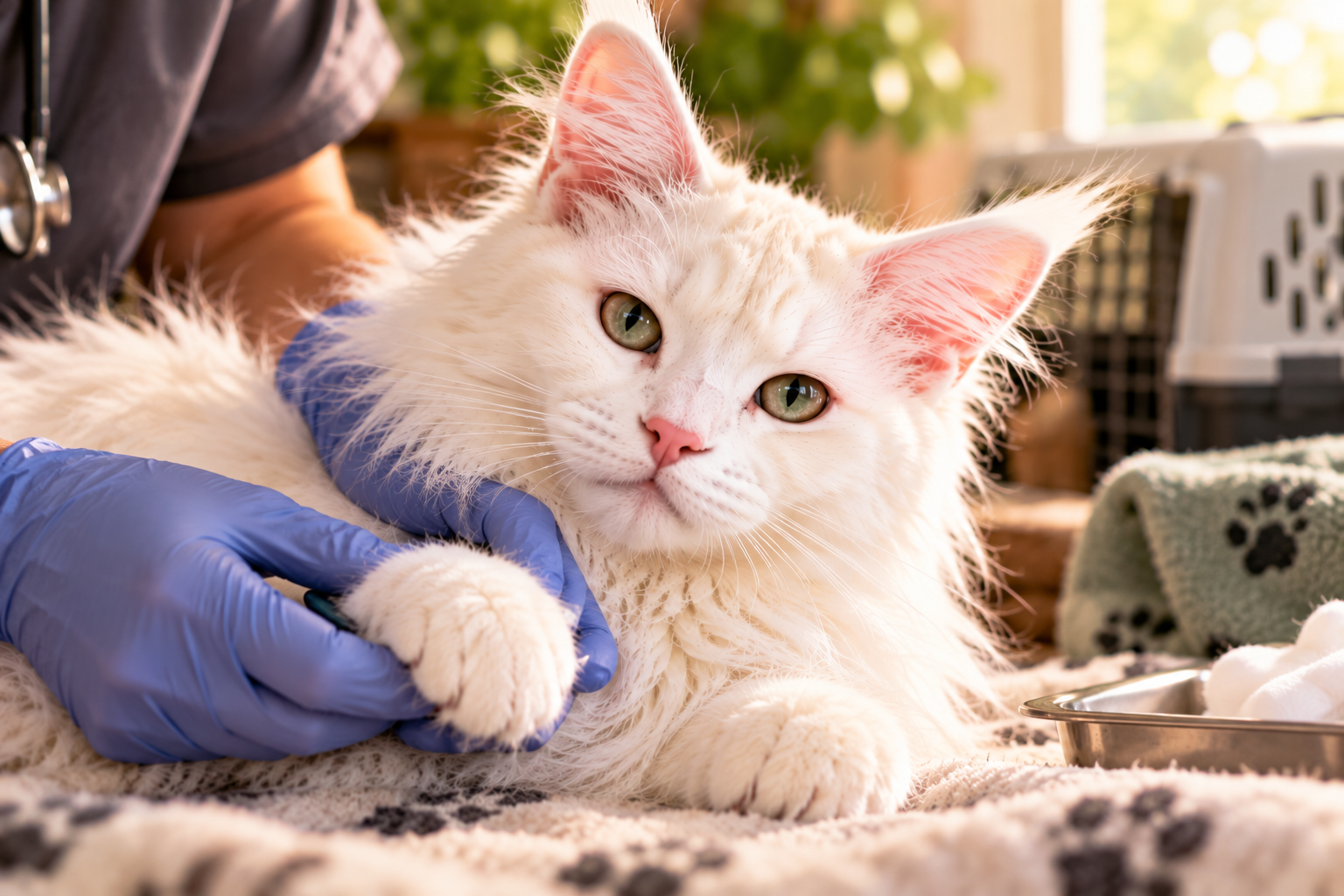
Dental health deserves a place beside every other part of your Maine Coon's routine care.
Pay attention to:
🦷 Teeth
🩷 Gums
😷 Breath
🍽️ Eating habits
🐾 Behavior
🪥 Home dental care
🩺 Routine veterinary examinations
And remember: Don't wait until your cat stops eating to start thinking about their mouth.
Cats may continue eating despite oral discomfort, and some dental problems aren't obvious just by looking at the visible teeth. Learn what's normal. Watch for changes.
Build positive handling habits early. And work with your veterinarian to determine the dental-care plan that's appropriate for your individual Maine Coon. Because behind that enormous ruff, impressive whiskers and magnificent Maine Coon face… there's a mouth that deserves just as much attention. 🦷🐾
🐾 Keep Learning With A Velvet Claw
At A Velvet Claw Maine Coon Cattery, we believe responsible ownership and breeding include continuing to learn about the whole cat—not only the traits we can see. Understanding preventive care helps us make better decisions for the cats we love. Follow us for more on Maine Coons and understanding this amazing breed.
🖤 HEALTH • PEDIGREE • TEMPERAMENT
Fur - ever Grateful: Lexie & Melina
Maine Coon dental health • Maine Coon dental care • Maine Coon teeth
Maine Coon oral health • Maine Coon teeth cleaning • Brushing Maine Coon teeth