
Bringing home a new pet is exciting, but when your new companion is hundreds—or even thousands—of miles away, one big question quickly comes up:
How are we going to get them home?
For many families, the decision comes down to two options: ground pet transport or air travel. Both can be appropriate depending on the animal, distance, circumstances, and type of flight. However, the experience can look very different from your pet's point of view.
Let's take a closer look at both options.
What Is Ground Pet Transport?
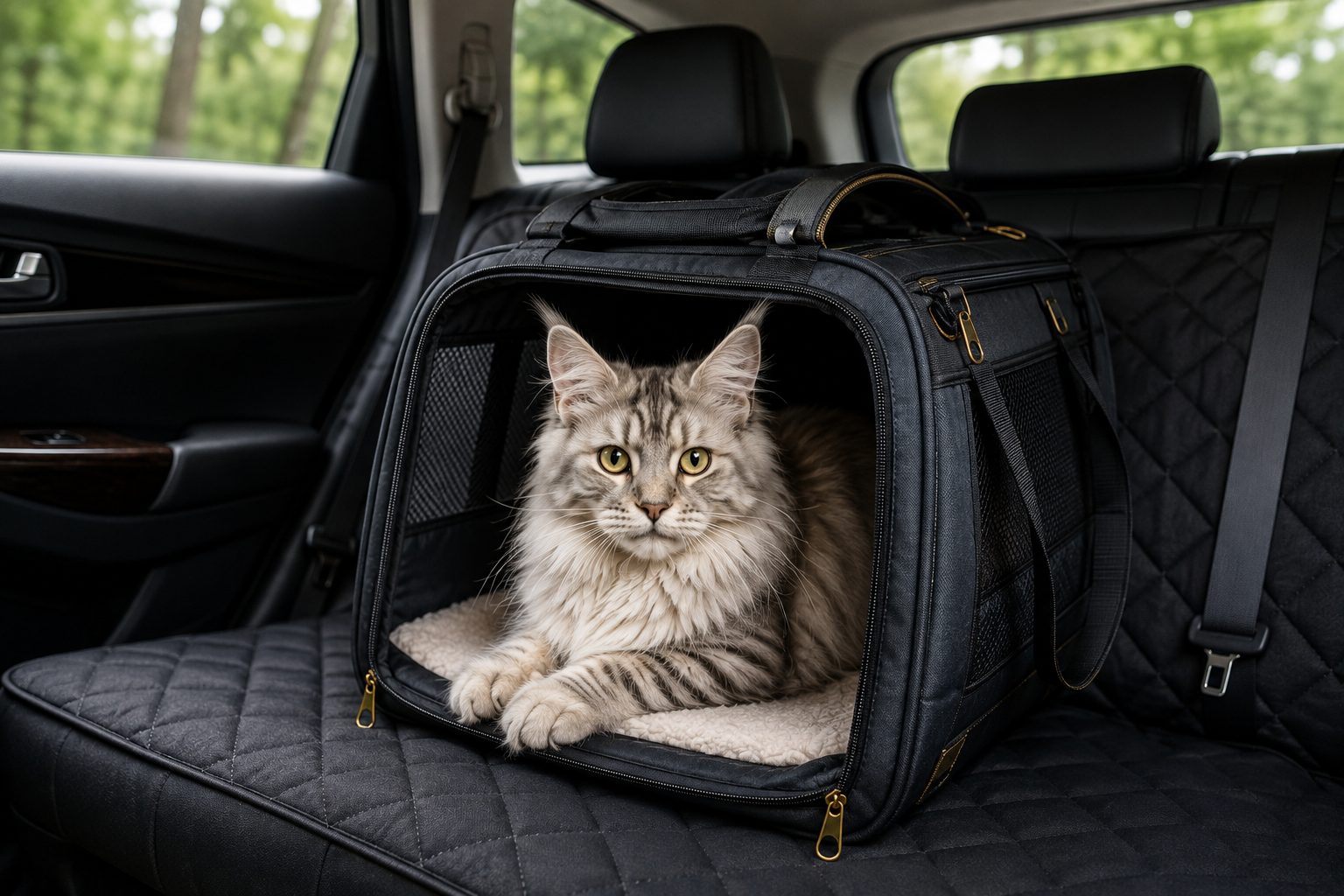
Traveling by ground means in a vehicle on the road
Professional ground pet transport involves transporting an animal by vehicle from one location to another. Depending on the service, transportation may be private or shared with other animals. Pets travel in appropriately secured carriers or other safe travel setups, with stops and care provided throughout the journey according to their individual needs.
One of the biggest advantages is simple: Your pet stays on the ground for the entire trip. There are no airports to navigate, and door-to-door service can reduce the number of transitions involved in getting your pet from their current home to yours.
What About Flying With a Pet?
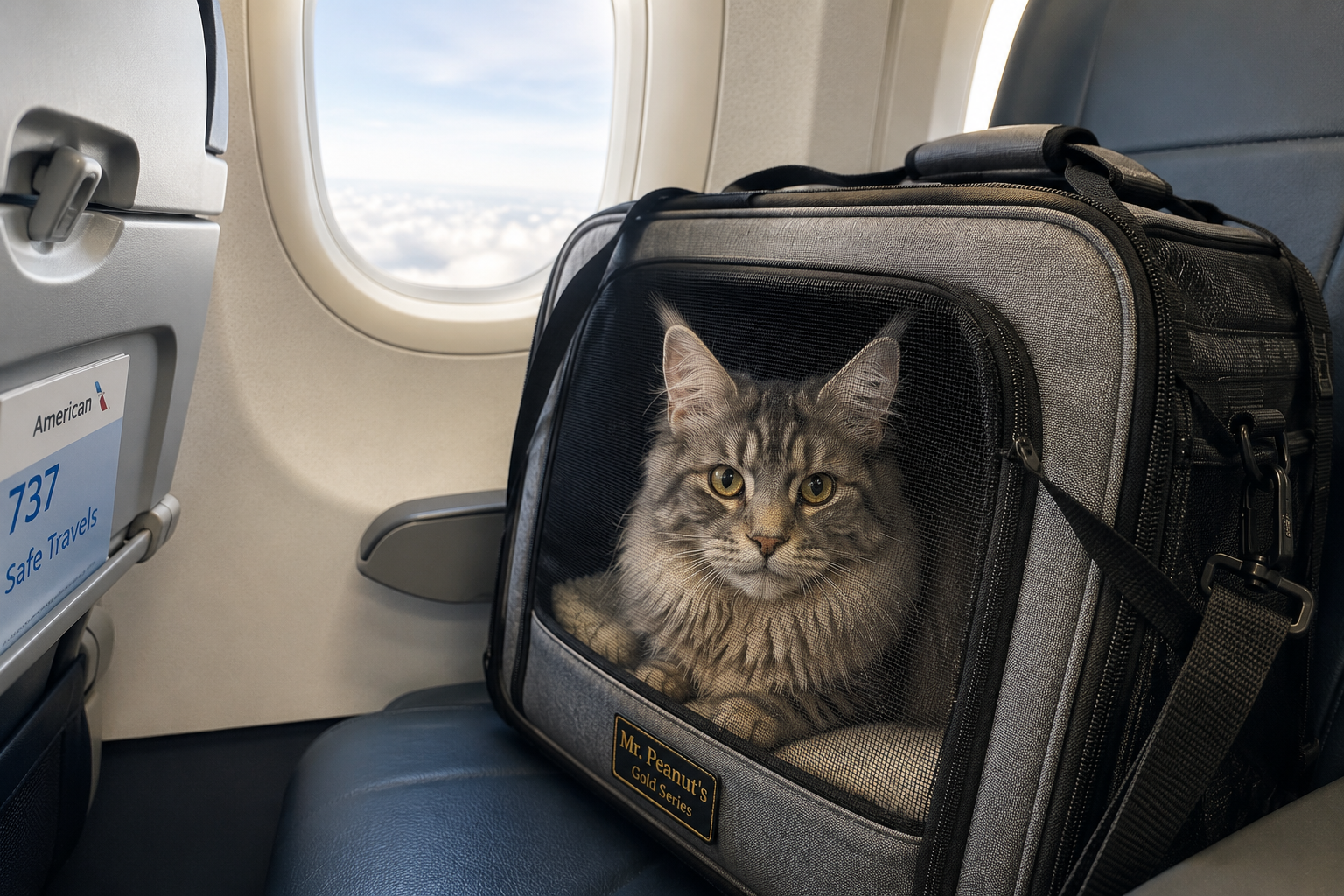
Traveling by air is by plane. Depending on the size of your animal they can be sitting with you or bigger animals will have to be with luggage
Flying can mean several different things. Some pets are small enough to travel in the aircraft cabin with a passenger, while others may travel through an airline's designated pet or cargo program. Those are very different experiences, so it's important not to treat all air travel as the same.
For certain pets and routes, flying in the cabin with their owner can be a reasonable option—especially when it dramatically shortens a very long trip. Airline policies, pet requirements, weather restrictions, carrier specifications, and available routes can all affect whether flying is possible.
Travel Time: Faster Isn't Always Simpler
There's no question that an airplane can cover a long distance much faster than a vehicle. A trip that takes many hours—or even more than a day—by road might only require a few hours in the air. But flight time isn't the entire journey.
Pets may also experience transportation to the airport, check-in, security procedures, waiting in the terminal, boarding, the flight itself, deplaning, baggage or pet retrieval when applicable, and another car ride after arrival. Ground transportation usually takes longer, but it can offer a more continuous journey.
For some animals, fewer major transitions may be worth the additional travel time.
Stress Looks Different for Every Pet
There isn't one transportation method that will automatically be less stressful for every animal. Some pets settle beautifully into a carrier and sleep through most of a road trip. Others may become carsick or dislike long vehicle rides.
Similarly, some pets handle air travel remarkably well, while the unfamiliar noises, crowds, movement, and environment may be stressful for others. This is why the individual animal should always be part of the decision. Age, temperament, previous travel experience, health, and even personality can influence which option makes the most sense.
One Advantage of Ground Transport: More Direct Observation
One reason families may choose professional ground transportation is the ability for the transporter to observe the pet throughout the journey. On a road trip, the person responsible for the animal can check on things such as behavior, comfort, water intake, bathroom needs, and the environment inside the vehicle.
If something doesn't seem right, the transporter can respond accordingly. This is especially reassuring for families sending a young animal on a long journey.
Temperature Control Matters
Pets can be sensitive to extreme temperatures, making climate control an important part of any transportation plan. A properly operated ground transport vehicle allows the passenger area to remain climate controlled throughout the journey.
Air travel requires different considerations depending on whether the pet travels in the cabin or through another airline-approved transport arrangement. Always research the airline's current animal policies and restrictions before booking.
What About Bathroom, Food and Water Breaks?
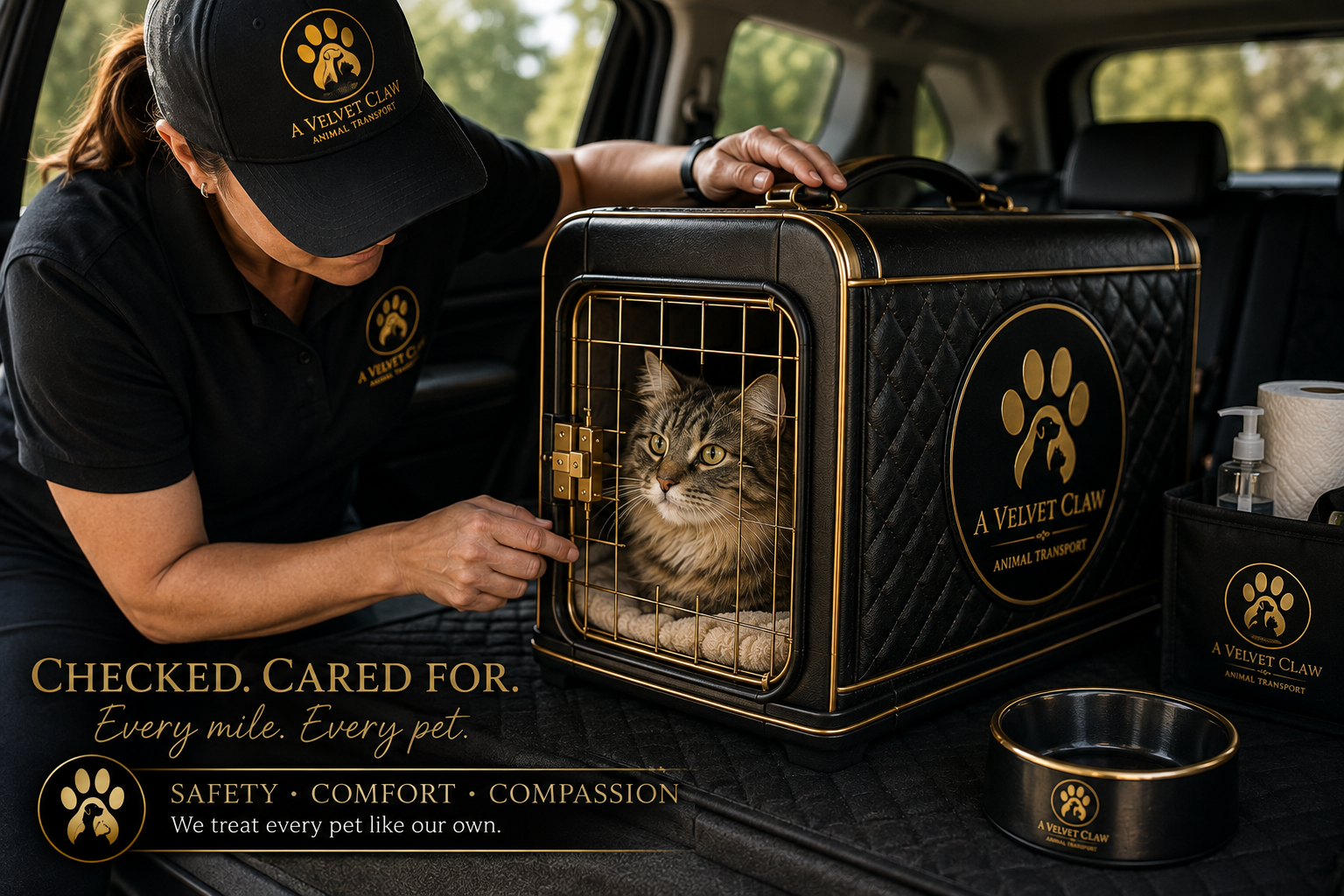
Stopping for breaks includes bathroom, food, water and just to check in
Ground travel gives the transporter more flexibility to address an animal's needs throughout a long trip. Exactly how food, water, litter boxes, and bathroom breaks are handled depends on the species, age of the animal, length of the trip, and individual circumstances.
Cats, for example, should never simply be released outside at a rest stop. A professional transporter should have a safe plan for managing these needs without creating an escape risk.
Ground Transport Can Offer Door-to-Door Service
This is one of the biggest conveniences for pet owners. A professional ground transporter may be able to pick up the animal directly from the breeder, rescue, previous owner, or other location and deliver them directly to their new family.
For someone purchasing a kitten several states away, that can remove a lot of logistical stress. Instead of coordinating flights, airport transportation, airline requirements and pickup arrangements, the pet's journey can be handled from one location to the next.
When Flying May Make More Sense
Ground transportation isn't automatically the right answer. Flying may make more sense when the distance is extremely long, the pet can safely travel in the cabin, the animal handles travel well, an appropriate direct flight is available, or the owner prefers to personally accompany the pet.
The goal shouldn't be to prove that one method is universally better. The goal should be:
Which option provides the safest, most appropriate journey for this particular animal?
Questions to Ask Before Choosing Either Option
Before making your decision, consider:
How long will the entire journey take?
Will my pet travel alone or with other animals?
Who will be responsible for my pet throughout the trip?
How will temperature be controlled?
How often will my pet be checked?
How are food, water and bathroom needs handled?
What precautions are taken to prevent escape?
What happens if there's a delay?
What is the plan if my pet becomes sick or there's an emergency?
Will I receive updates during the journey?
A reputable transporter or airline should be able to clearly explain its procedures and requirements.
So, Which Is Better?
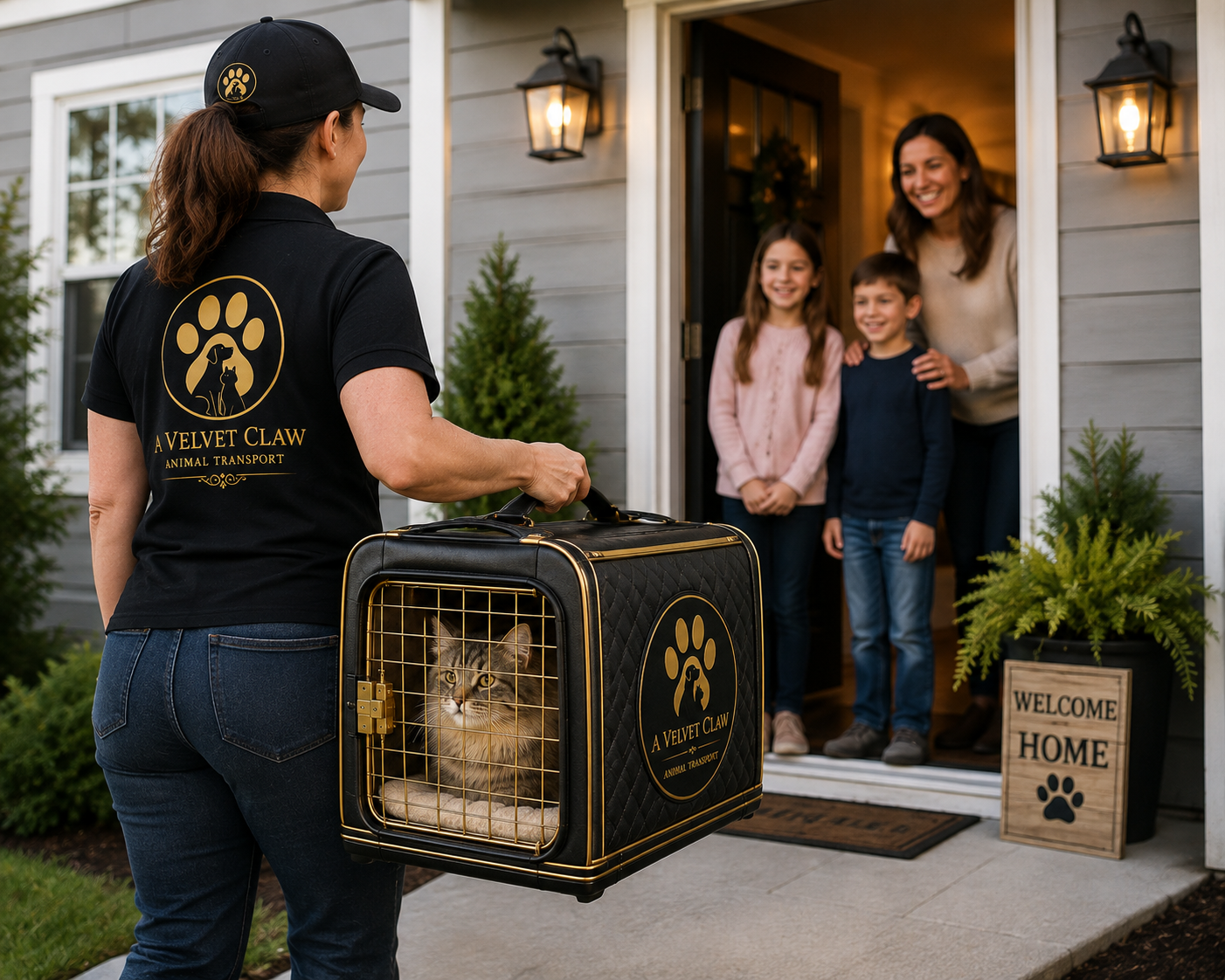
Whether by road or air, we will safely deliver your pet to you, cared for just like they are our own
There isn't a universal winner. For some pets, air travel—particularly in-cabin travel with their owner—may provide the shortest and most practical journey. For others, professional ground transportation may provide a calmer, more personalized experience with fewer transitions and more opportunities for direct observation along the way.
What matters most isn't whether your pet travels by road or by air. It's how safely and thoughtfully they're cared for from departure until they're finally home.
At A Velvet Claw, we believe transportation should be about more than getting an animal from Point A to Point B. Whether you're bringing home a new kitten or relocating a beloved companion, their safety, comfort, and well-being should remain at the center of every decision.
Because to you, they're not cargo. They're family coming home. 🐾
Fur - ever grateful: Lexie & Melina
Ground pet transport vs flying - ground pet transport - pet transportation
professional pet transport - ground pet transportation - pet transport service