
Why Choosing the Right Pet Transporter Matters
When it comes to getting your pet safely from one place to another, choosing a transporter may seem like a simple decision. After all, they're just providing a ride, right? In reality, professional pet transportation is about much more than getting from Point A to Point B.
You're placing a beloved animal in someone else's care—sometimes for several hours or even across multiple states. Whether you're welcoming home a new kitten from a breeder, relocating with your pets, or arranging transportation for another reason, the person behind the wheel becomes responsible for your pet's safety, comfort, and well-being throughout the journey.
That's why choosing the right pet transporter matters.
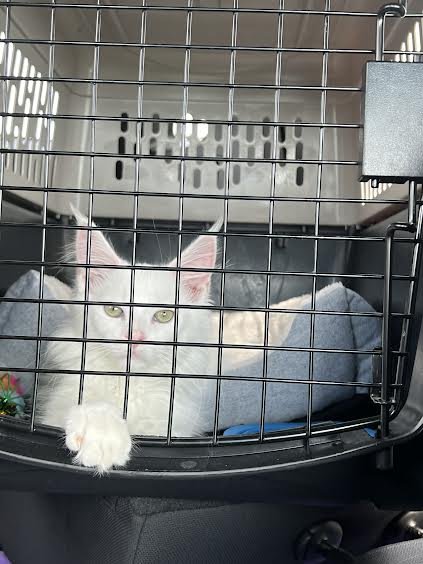
King Rembrandt on his way home
Pet Transport Is More Than Just a Ride
Animals don't understand why they're suddenly leaving a familiar environment or where they're going. A new vehicle, unfamiliar smells, different sounds, and hours on the road can all be stressful. A responsible pet transporter understands this. The goal shouldn't simply be to reach the destination as quickly as possible. A good transporter considers the individual animal throughout the entire trip—keeping the environment comfortable, watching for signs of stress, providing appropriate breaks, and making adjustments when needed.
The best transports are the ones where the pet's needs determine how the journey is handled.
Safety Should Always Come First
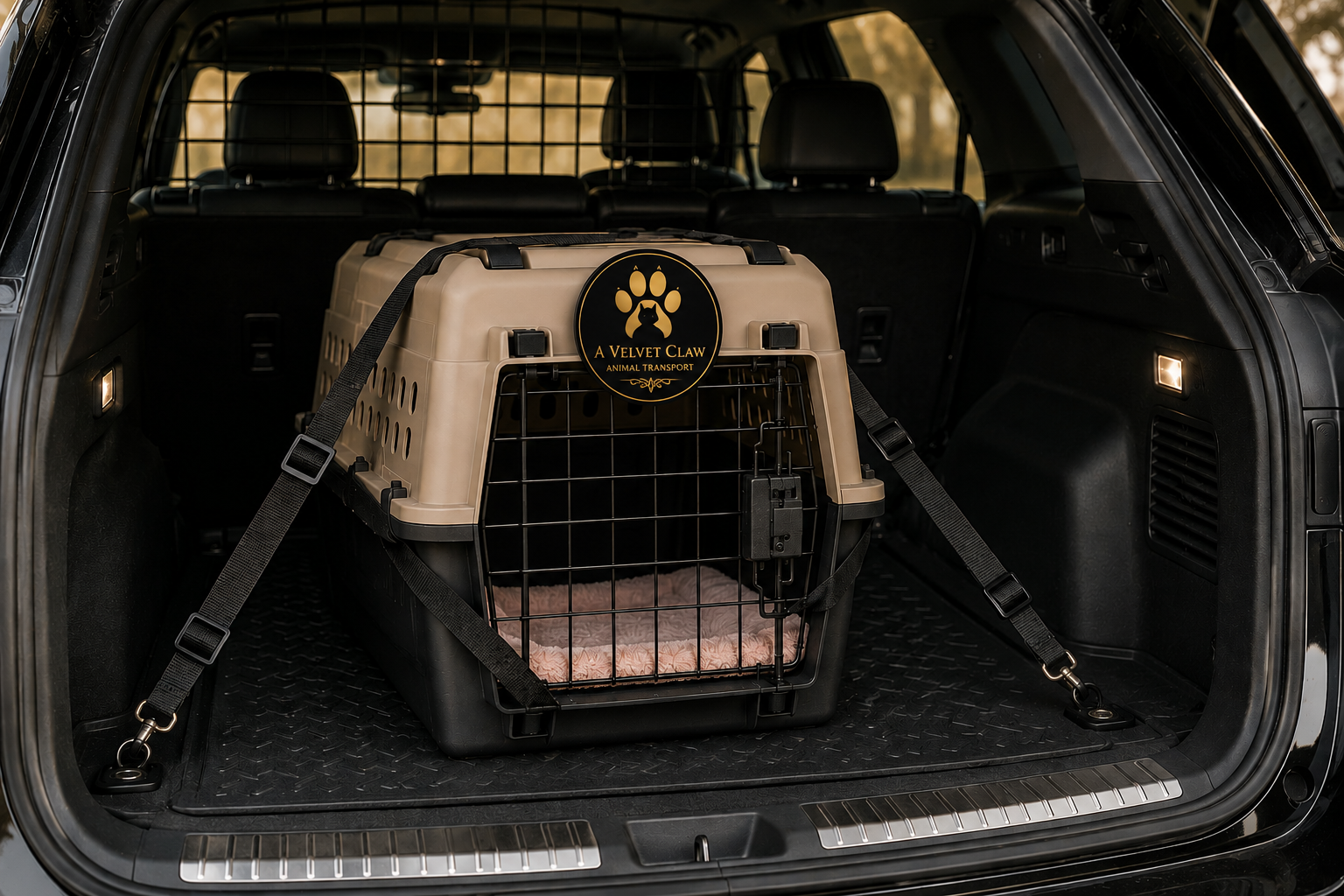
All carriers safely secured when transporting
One of the first things you should consider when choosing a pet transporter is how seriously they take safety. Pets should travel in appropriately sized, secure carriers or crates that protect them while the vehicle is moving. Doors and latches should be checked carefully, and animals should never have an opportunity to escape during stops, loading, or unloading. The vehicle itself matters, too.
Temperature should be carefully controlled, especially during extreme summer heat or winter cold. Pets should never be left unattended in unsafe conditions, and the transporter should have a plan for unexpected situations such as severe weather, traffic delays, vehicle problems, or illness.
When you're trusting someone with your pet, "We'll figure it out if something happens" isn't enough.
There should already be a plan.
Experience With Animals Makes a Difference
Driving experience is important, but transporting animals requires another type of experience as well. Someone who regularly works with animals is more likely to recognize subtle signs that a pet may be frightened, overheated, nauseated, uncomfortable, or simply in need of a break. They also understand that every animal is different.
One kitten might settle into its carrier and sleep most of the journey, while another may need additional reassurance and monitoring. An adult cat may prefer quiet and minimal interaction, while a puppy may require more frequent stops. A good transporter doesn't expect every animal to travel the same way.
They adapt their care to the animal in front of them.
Cleanliness Matters More Than You Might Think
A clean transport environment isn't just about appearances—it's an important part of protecting the animals being transported. Carriers, crates, bedding, bowls, and other equipment should be kept clean and sanitized appropriately, particularly when a transporter works with animals from multiple homes, rescues, or breeders. This is especially important for young puppies and kittens whose immune systems are still developing.
Before choosing a transporter, don't be afraid to ask about their sanitation practices. Someone who takes animal health seriously should be happy to explain them.
Communication Brings Peace of Mind

Communication is key and we promise to give you that peace of mind
Handing your pet over to someone else can be nerve-racking, especially when they're traveling a long distance. You shouldn't have to spend the entire trip wondering:
Where are they?
Are they okay?
Have they eaten?
When will they arrive?
Good communication is one of the biggest differences between an ordinary transportation experience and an excellent one. Depending on the length of the trip, your transporter should establish expectations for communication before departure. Updates, estimated arrival times, and photos when it is safe and appropriate can provide tremendous peace of mind. And if plans change because of weather, traffic, or the animal's needs, you should know.
Ask Questions Before You Book
A trustworthy transporter shouldn't be bothered by questions. In fact, they should expect them. Before placing your pet into someone's care, consider asking:
How will my pet be secured during transportation?
Will my pet ever be left unattended?
How do you control the temperature inside the vehicle?
How often do you stop during longer trips?
How do you provide food and water?
How do you clean and sanitize between animals?
Will other animals be traveling at the same time?
How will you communicate with me during the trip?
What happens if my pet becomes sick?
What is your plan for emergencies or vehicle problems?
Pay attention not only to the answers, but also to how comfortable the transporter is discussing them. Transparency matters.
Be Careful About Choosing Based on Price Alone
When comparing pet transportation services, it's natural to look at price. But the lowest quote shouldn't automatically win. There can be a significant difference between someone who simply has room in their vehicle and someone who has intentionally created a safe, comfortable transportation experience for animals. Consider what you're actually receiving for the price.
How much individual attention will your pet receive? How many animals are traveling together? What safety precautions are being taken? How clean is the environment? Will you receive updates? How experienced is the person caring for your animal?
Sometimes paying more means you're paying for something extremely valuable:
peace of mind.
From Breeder to New Family
Choosing a transporter can be particularly important when bringing home a new puppy or kitten. Imagine being a young kitten who has spent their entire life with their mother, littermates, and breeder. Then suddenly, everything changes. They're placed into a carrier. They hear unfamiliar sounds. They smell new scents. The vehicle begins moving—and they have no idea that a family may be hundreds of miles away eagerly waiting to meet them.
How that journey is handled matters. A patient transporter can help make that transition calmer and safer, allowing the kitten or puppy to arrive at their new home ready to begin the next chapter of their life. For the new family, that first moment shouldn't begin with worrying about what happened along the way.
It should begin with excitement.
Your Pet Isn't Cargo
Perhaps the most important thing to remember when choosing a pet transporter is simple: Your pet isn't a package. They're a living animal with individual needs, emotions, and vulnerabilities. They may be someone's future show cat, a family's new puppy, a breeder's treasured animal, or a companion who has been part of a family for many years. Whatever the reason for the journey, they deserve to be treated with patience, compassion, and respect every mile of the way.
Choose Someone You Trust

At A Velvet Claw, you can trust us to get your pet home safely
Before booking pet transportation, take your time. Ask questions. Look at how the transporter communicates with you. Learn about their safety practices and how they care for animals while traveling. Most importantly, choose someone who understands the responsibility they're accepting when you place that carrier into their hands. Because choosing the right pet transporter isn't simply about finding someone who can make the drive.
It's about finding someone you can trust with a member of your family.
Fur-ever grateful: Lexie & Melina
professional pet transport - pet transportation services
safe pet transportation - ground pet transport - long-distance pet transport