
A Velvet Claw Maine Coon Cattery | Extraordinary Cats. Brighter Tomorrows. | FELINE DENTAL HEALTH WEEK 🧷
🪥 How to Brush Your Cat’s Teeth: A Step-by-Step Guide for Beginners
Yes, you really can brush your cat’s teeth! And it might be easier than you think.
If you’ve ever looked at your cat and thought, “There’s absolutely no way they’re going to let me put a toothbrush in their mouth,” you’re certainly not alone!
For many cat owners, the idea of brushing their feline companion’s teeth sounds intimidating, if not downright impossible.
But here’s something every cat parent should know: Regular toothbrushing is one of the most effective ways to help prevent plaque buildup and support healthy gums.
At A Velvet Claw Maine Coon Cattery, we believe that small, consistent habits can make a big difference in our cats’ long-term health.
Today, we’re walking you through the process of introducing toothbrushing to your cat, one gentle step at a time.
🦷 Why Should You Brush Your Cat’s Teeth?
Just like people, cats develop plaque on their teeth.
Plaque is a sticky film containing bacteria that forms naturally throughout the day. When it isn’t removed, it can harden into tartar and contribute to gum inflammation and periodontal disease.
Brushing helps remove soft plaque before it hardens.
And while professional veterinary dental care remains important, regular home brushing can help reduce the buildup that contributes to dental problems.
Ideally, cats should have their teeth brushed daily.
If daily brushing seems overwhelming, don’t worry. The most important thing is to begin gradually, build your cat’s trust, and work toward a consistent routine.
🐾 Step 1: Gather the Right Supplies
Before you begin, make sure you have the proper tools.
You’ll need:
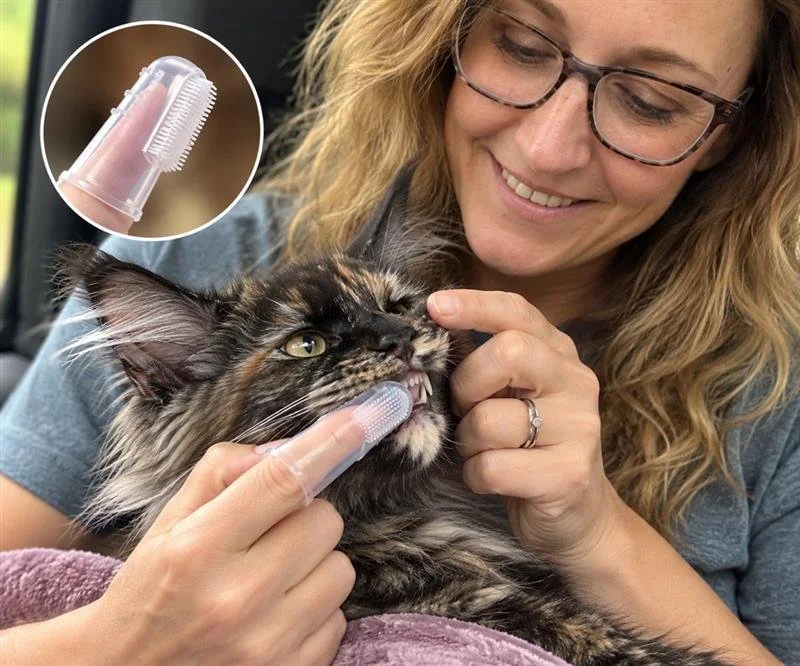
A cat-specific toothbrush: Choose a small, soft-bristled toothbrush designed for cats. Some cats tolerate finger brushes, although a small toothbrush may clean more effectively.
Cat-safe toothpaste: Use toothpaste specifically formulated for cats. Pet toothpaste often comes in flavors such as poultry or fish.
A few favorite treats: Positive reinforcement can make the experience more enjoyable.
A quiet, comfortable location: Choose somewhere your cat already feels relaxed.
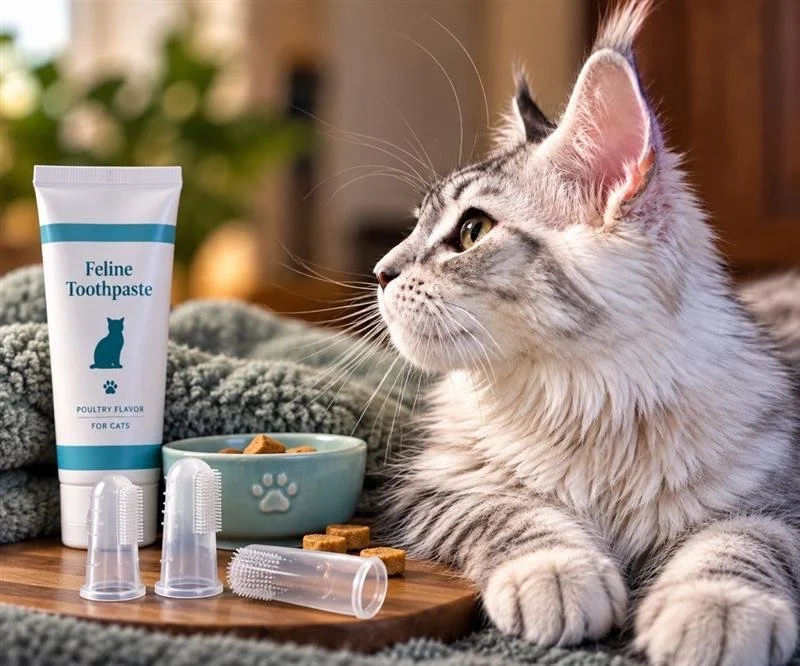
⚠️ Never Use Human Toothpaste!
Human toothpaste may contain fluoride, xylitol, or other ingredients that are unsafe for cats when swallowed.
Cats cannot rinse and spit like humans, so always choose toothpaste specifically formulated for feline use.
Also avoid baking soda, essential oils, and homemade dental mixtures unless your veterinarian specifically recommends them.
🐱 Step 2: Let Your Cat Get Comfortable
Don’t start by immediately putting a toothbrush into your cat’s mouth.
Instead, begin by helping your cat associate the experience with something positive.
Choose a quiet moment when your cat is calm and relaxed.
Gently touch their cheeks and around their mouth, then reward them with praise or a small treat.
Repeat this over several short sessions until your cat is comfortable having their face touched.
Our tip: Keep these early sessions brief. Even 10–20 seconds of calm, positive interaction is a great starting point!
Never restrain your cat forcefully or continue if they become frightened or distressed.
❤️ Step 3: Introduce the Toothpaste
Before introducing the toothbrush, allow your cat to become familiar with the toothpaste.
Place a tiny amount of cat-safe toothpaste on your finger or a small dish and let your cat investigate it.
Some cats will happily lick flavored toothpaste, while others may need more time.
Reward calm curiosity.
If your cat doesn’t like a particular flavor, consider trying another feline-safe option.
Remember, the goal is to build trust, not rush the process.
🪥 Step 4: Practice Touching the Teeth and Gums
Once your cat is comfortable having their face handled, you can begin introducing gentle contact near their teeth.
With clean hands, carefully lift their upper lip to expose the outside surface of their teeth.
If they remain relaxed, gently touch a tooth with your finger or a soft piece of gauze.
Keep the interaction short and reward cooperation.
Don’t force your cat’s mouth open.
Important: If your cat has red or bleeding gums, loose teeth, obvious mouth pain, or difficulty eating, schedule a veterinary examination before attempting brushing.
👑 Step 5: Introduce the Toothbrush
Now comes the exciting part!
Place a small amount of cat-safe toothpaste onto the toothbrush.
Gently lift your cat’s lip and position the bristles against the outside surface of a tooth near the gumline.
Use small, gentle brushing motions.
Start with just one or two teeth.
That’s it!
You don’t need to brush the entire mouth during your first attempt.
As your cat becomes more comfortable, gradually increase the number of teeth you clean.
Pay particular attention to the outer surfaces of the upper cheek teeth and canine teeth, where plaque commonly accumulates.
For most cats, you can brush the outer tooth surfaces without opening their mouth completely.
Never force the brush against the gums or scrub aggressively.
🐾 Step 6: Slowly Build a Daily Routine
Over time, work toward brushing the outside surfaces of all accessible teeth.
A successful session may eventually take only a minute or two, although the amount of time varies by cat.
Try brushing at approximately the same time each day.
Some owners find that brushing works best after playtime, when their cat is relaxed.
Others prefer to make it part of their evening routine.
The best time is whichever time your cat is most comfortable and you can remain consistent.
And don’t forget the rewards!
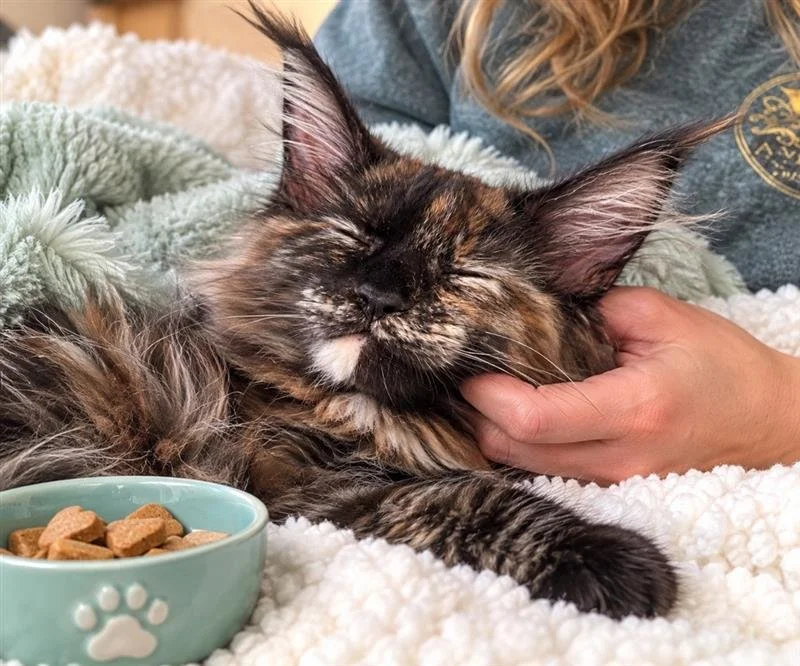
A little praise, affection, or a favorite treat can help your cat build positive associations with dental care.
😹 What If Your Cat Absolutely Refuses?
Some cats simply aren’t ready to accept toothbrushing, especially if they’ve never experienced it before.
That’s okay!
Don’t turn dental care into a daily battle.
Instead, return to an earlier step and practice until your cat is comfortable.
You can also discuss alternative dental care options with your veterinarian.
These may include:
Veterinary-recommended dental diets
Dental treats with proven plaque or tartar benefits
Certain dental wipes, gels, or oral care products
Professional dental examinations and cleanings when needed
Look for products accepted by the Veterinary Oral Health Council (VOHC), which evaluates evidence supporting specific dental health claims.
Remember, dental treats and other products can be helpful additions, but they generally do not replace the benefits of effective brushing.
And no at-home product replaces necessary professional veterinary dental treatment.
🐈 Should You Start Brushing Your Maine Coon Kitten’s Teeth?
Absolutely! Introducing gentle dental handling during kittenhood can help establish positive habits.
Maine Coon kittens are growing, learning, and becoming familiar with everyday routines.
Start by rewarding your kitten for allowing gentle handling around their mouth.
As they become comfortable, gradually introduce cat-safe toothpaste and a soft toothbrush.
Kittens lose their baby teeth as their adult teeth develop, generally between approximately three and six months of age.
During teething, their mouths may be sensitive. Avoid brushing painful areas and consult your veterinarian if you notice unusual redness, swelling, or persistent discomfort.
Starting early doesn’t mean forcing a kitten to accept brushing. It means teaching them that dental care can be a safe, positive experience.
💛 What About Adult and Senior Cats?
It’s never too late to begin building better dental habits.
Adult and senior cats can learn to tolerate toothbrushing, although they may require more patience and gradual introduction.
Before starting a new brushing routine with an older cat, ask your veterinarian to check for existing dental disease.
Brushing a painful mouth can make the experience uncomfortable and may cause your cat to resist future attempts.
If your cat already has dental problems, those should be addressed before beginning home brushing.
🦷 Five Common Toothbrushing Mistakes to Avoid
1. Using human toothpaste. Always use toothpaste specifically formulated for cats.
2. Forcing your cat to cooperate. Fear and restraint can make future brushing more difficult.
3. Trying to brush every tooth on day one. Begin slowly and build confidence.
4. Brushing too aggressively. Gentle motions are more appropriate than vigorous scrubbing.
5. Assuming brushing replaces veterinary dental care. Even cats with excellent home care may need professional dental treatment.
❤️ A Healthy Smile Starts With Small Steps
At A Velvet Claw Maine Coon Cattery, we believe responsible cat ownership means continually learning how to give our feline companions the healthiest, happiest lives possible.
Brushing your cat’s teeth may seem like a small task, but it can play an important role in protecting their comfort and oral health.
You don’t have to master the entire process overnight.
Start with gentle handling. Build trust. Celebrate small successes.
And remember that every cat is different.
Some cats may accept brushing within a few days, while others need several weeks or longer.
Patience, consistency, and positive reinforcement are the keys to success.
🐾 Coming Up Tomorrow!
Have you ever wondered whether dental treats, water additives, or special dental foods actually work?
Tomorrow, we’re exploring The Best Dental Products for Cats: What Actually Works?
We’ll discuss what to look for, which products have supporting evidence, and how to avoid spending money on products that may not deliver meaningful dental benefits.
💬 We’d Love to Hear From You!
Have you ever tried brushing your cat’s teeth?
Was your cat cooperative, or did they act like you were committing the ultimate feline betrayal? 😹
Share your experience with us!
Extraordinary Cats. Brighter Tomorrows.
A Velvet Claw Maine Coon Cattery - Melina & Lexie
www.avelvetclaw.com
Educational Disclaimer: This article is intended for general feline health education and does not replace professional veterinary advice. Always consult your veterinarian about your cat’s individual dental care needs.